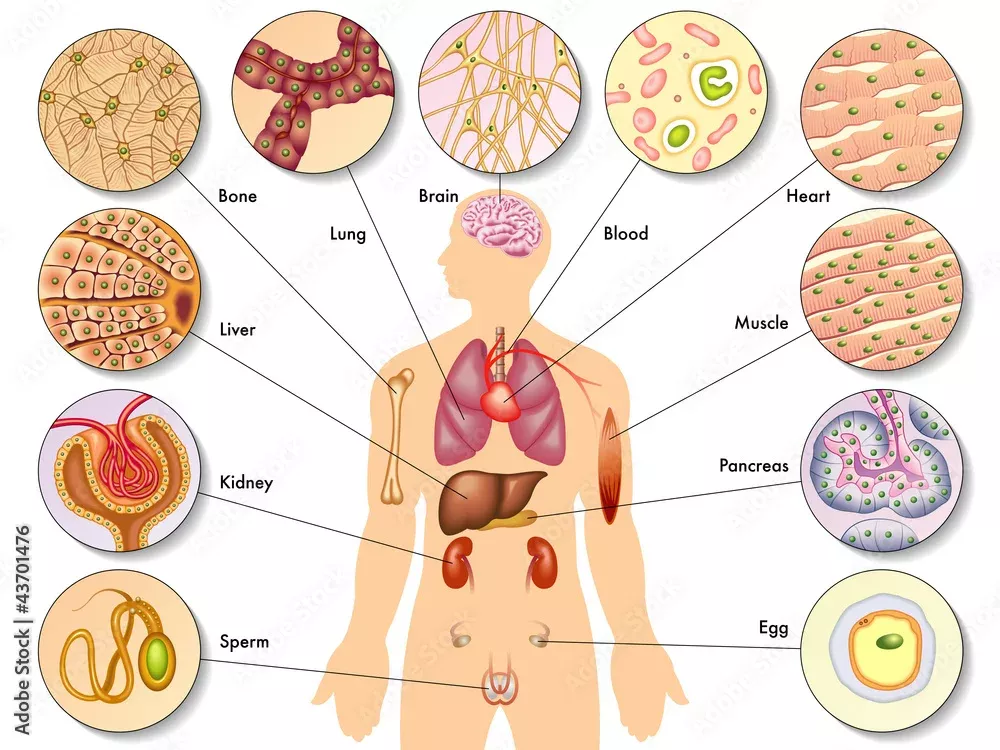
Microscopic Disturbance
Cellular-level disturbance may reduce natural oscillation and interfere with coordinated tissue behavior.

Advanced Physiotherapy Service
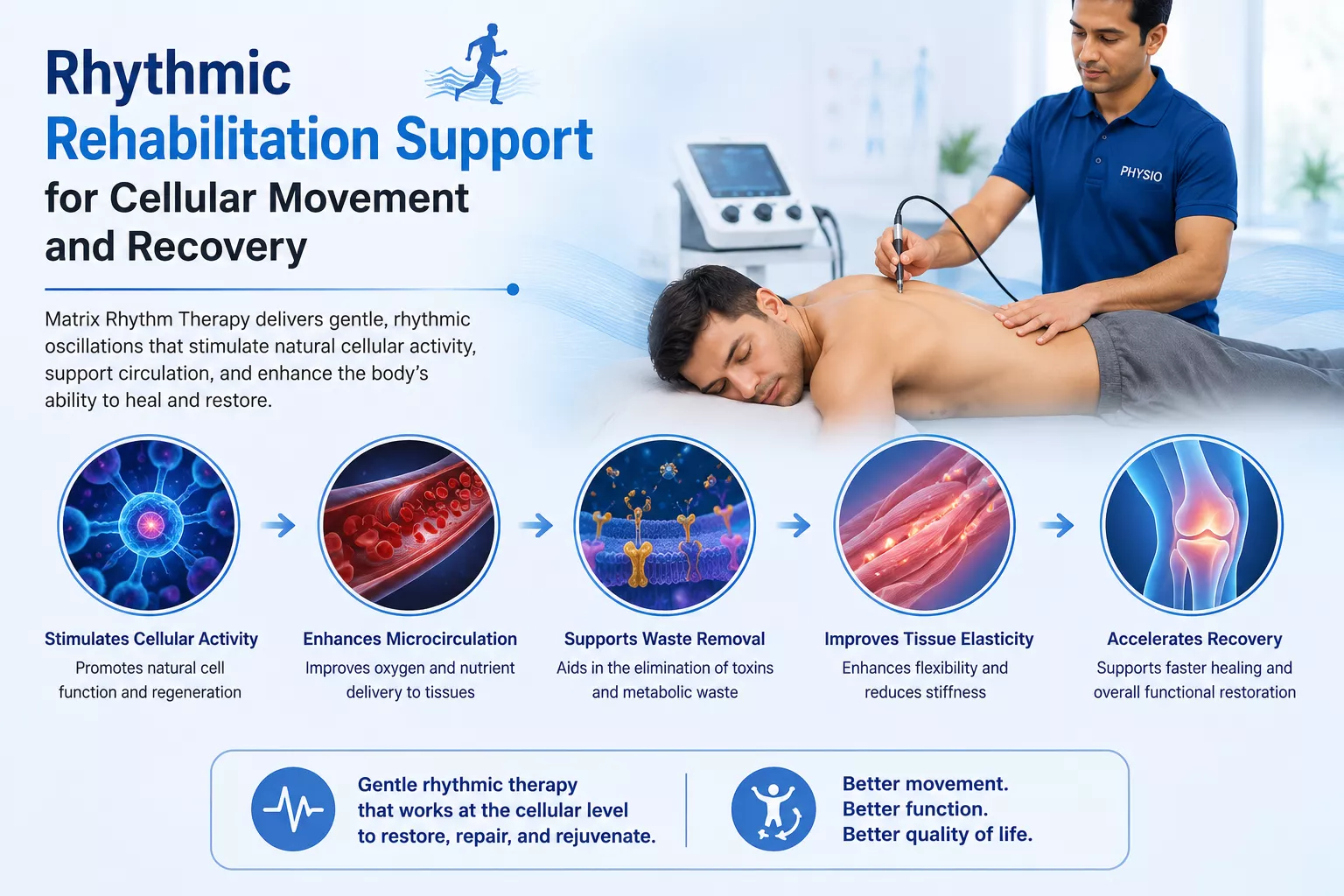
Dr. Zope's Orthopedic & Physiotherapy Center offers Matrix Rhythm Therapy to support rhythmic tissue mobilization, circulation, oxygen delivery, relaxation, and recovery in selected musculoskeletal and rehabilitation care plans.
Overview
Matrix Rhythm Therapy uses amplitude-modulated dynamic frequencies in the physiological range of 8-12 Hz to synchronize with natural cell rhythm. It is designed to support mobility, circulation, tissue relaxation, and functional recovery in rehabilitation-focused care.
At Dr. Zope's Orthopedic & Physiotherapy Center, this therapy is considered where stiffness, restricted range of motion, tissue shortening, postural overload, and pain patterns require a microscopic approach that supports larger functional change.
Body Rhythm
Quick Support
Cellular Change
Cellular-level disturbance may reduce natural oscillation and interfere with coordinated tissue behavior.
Reduced extracellular matrix space and poorer intra-extra cellular transport can affect nourishment and fluid movement.
Hypoxia and lower ATP formation can reduce repolarization support and make tissue relaxation more difficult.
Tissues may stay contracted for longer, leading to stiffness, reduced mobility, shortening, and restricted ROM.
Neural feedback to the brain for protection may alter posture, movement strategy, and loading patterns.
Deformity, poor movement quality, and reduced tissue readiness can make effective rehabilitation training more difficult.
ATP Support
ATP is the source of energy required by the body for every small movement and is produced by mitochondria, the powerhouse of the body. For cells to produce ATP effectively, the cellular engine must have rhythmic movement.
Matrix Rhythm Therapy uses the whole physiological window between 8-12 Hz to synchronize with cell rhythm, improve the quality of extracellular matrix, regulate pH and viscosity of fluid, support venous return and lymph drainage, and help re-establish oxygen and nutrition supply to the cells.
Training Support

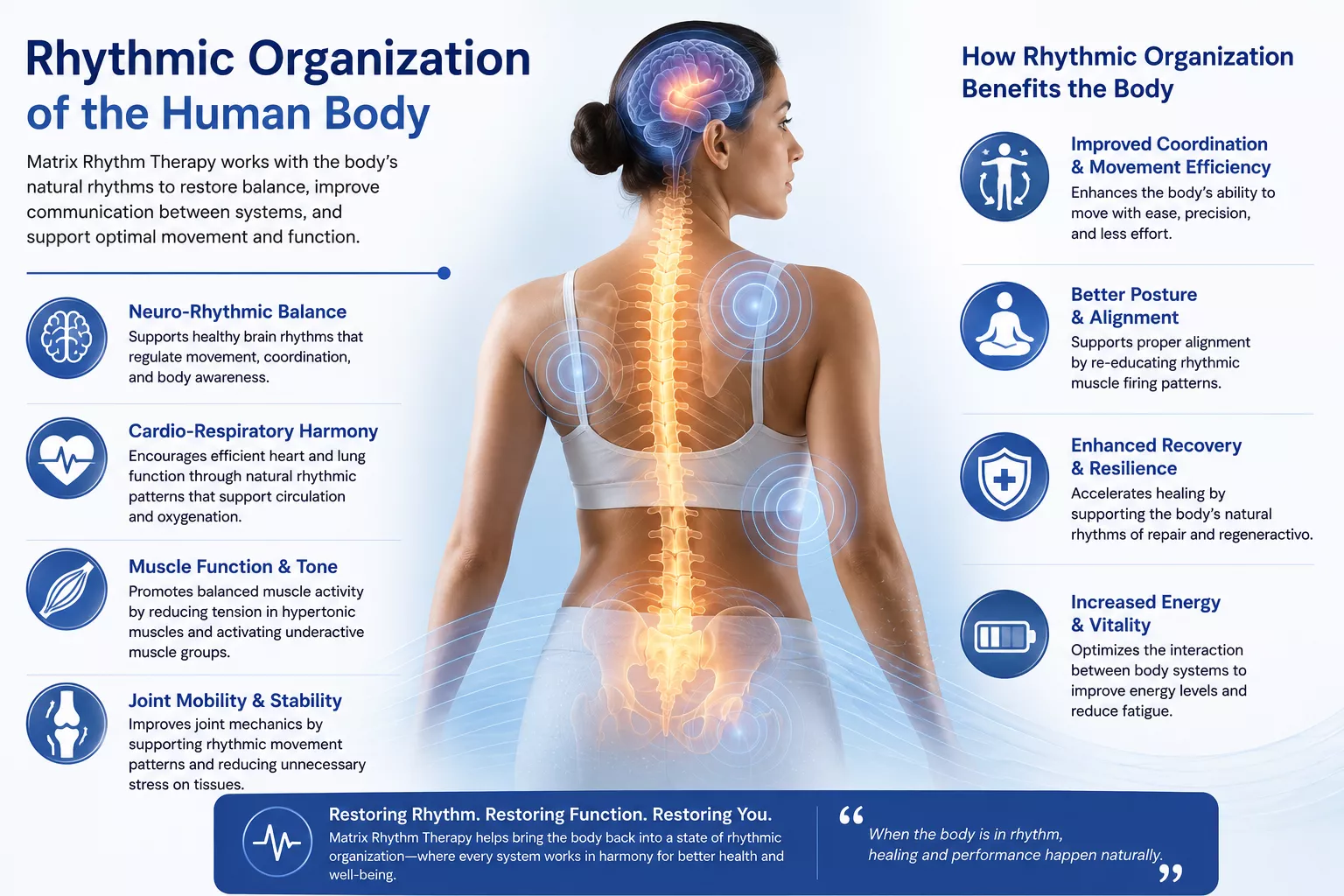
Matrix Rhythm Therapy is practised in several centers and has shown support in relaxing hypertonic muscles and muscle bellies.
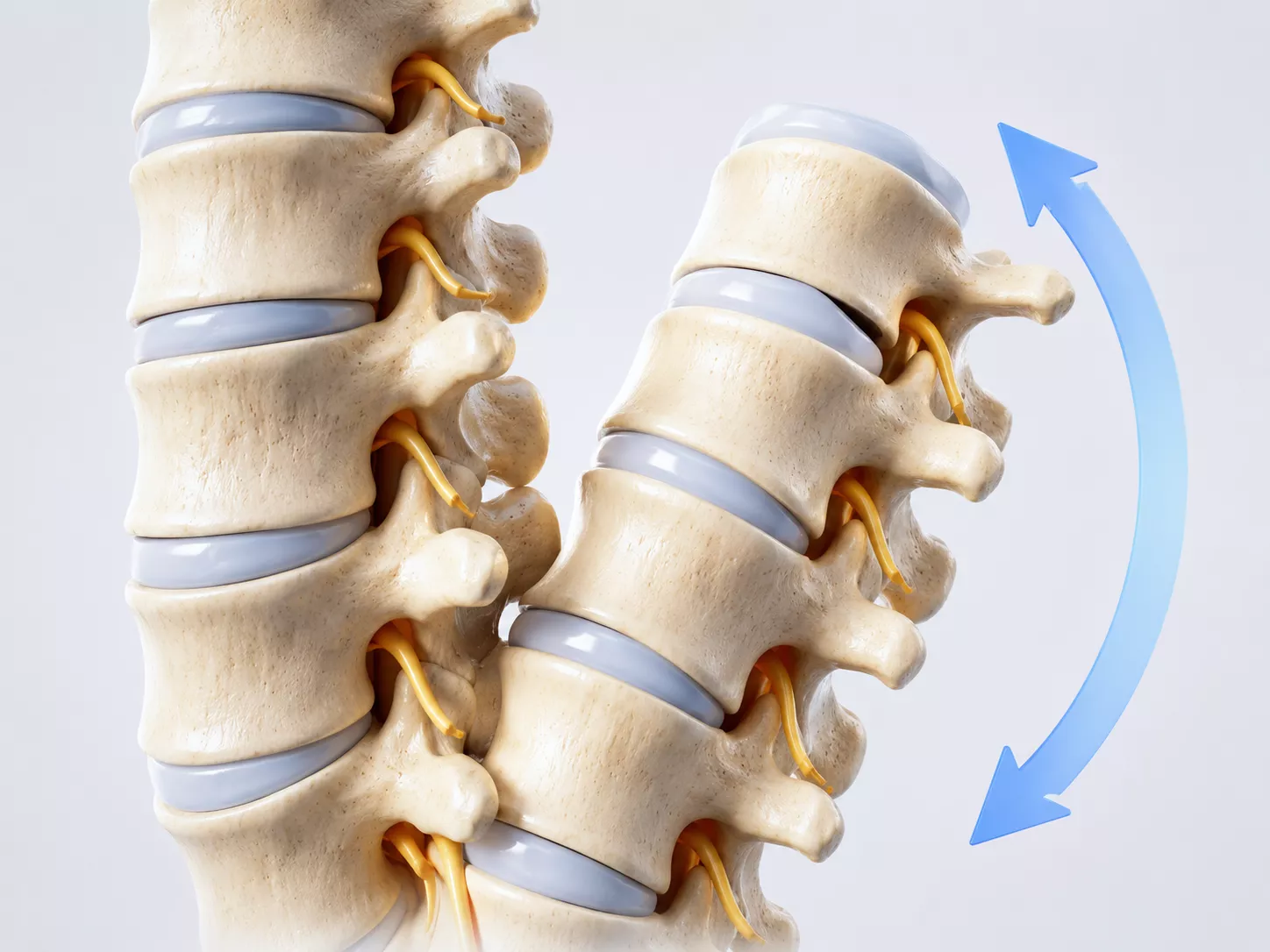
It may help improve joint range of motion, reduce tissue pressure on tendons, and support better muscle coordination.

Patients may experience better balance, improved coordination, higher motivation, and more active participation in therapy.
Sensitive Areas
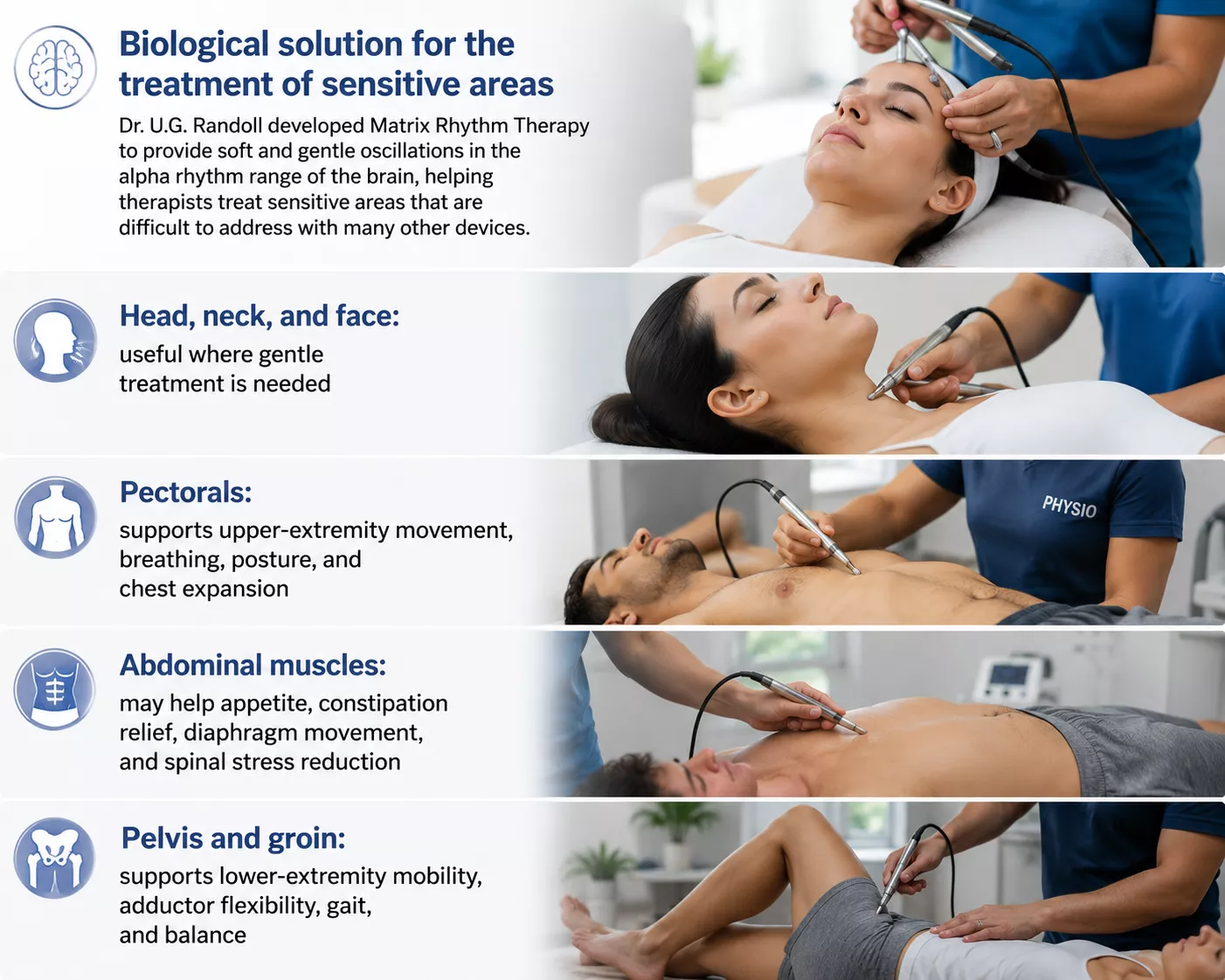
Dr. U.G. Randoll developed Matrix Rhythm Therapy to provide soft and gentle oscillations in the alpha rhythm range of the brain, helping therapists treat sensitive areas that are difficult to address with many other devices.
Advanced Features
The equipment regulates frequency according to tissue tone and remains in the physiological window during the session.
The therapy is designed to keep healthy tissue healthy while helping pathological tissue readapt toward physiology.
It offers a gentle tissue feel, completely pain-free support, no side effects, and no addiction-forming pattern.
German and Swiss engineering, lightweight applicator comfort, and portable use support clinic and field-based treatment.
Treatment Pathway
The clinic team can guide you on indications, recovery planning, and how this therapy may be combined with physiotherapy support.
Appointment Form