Localized Pain Relief
Supports focused relief in painful areas where tissue sensitivity and movement discomfort are prominent.

Pain Management Service
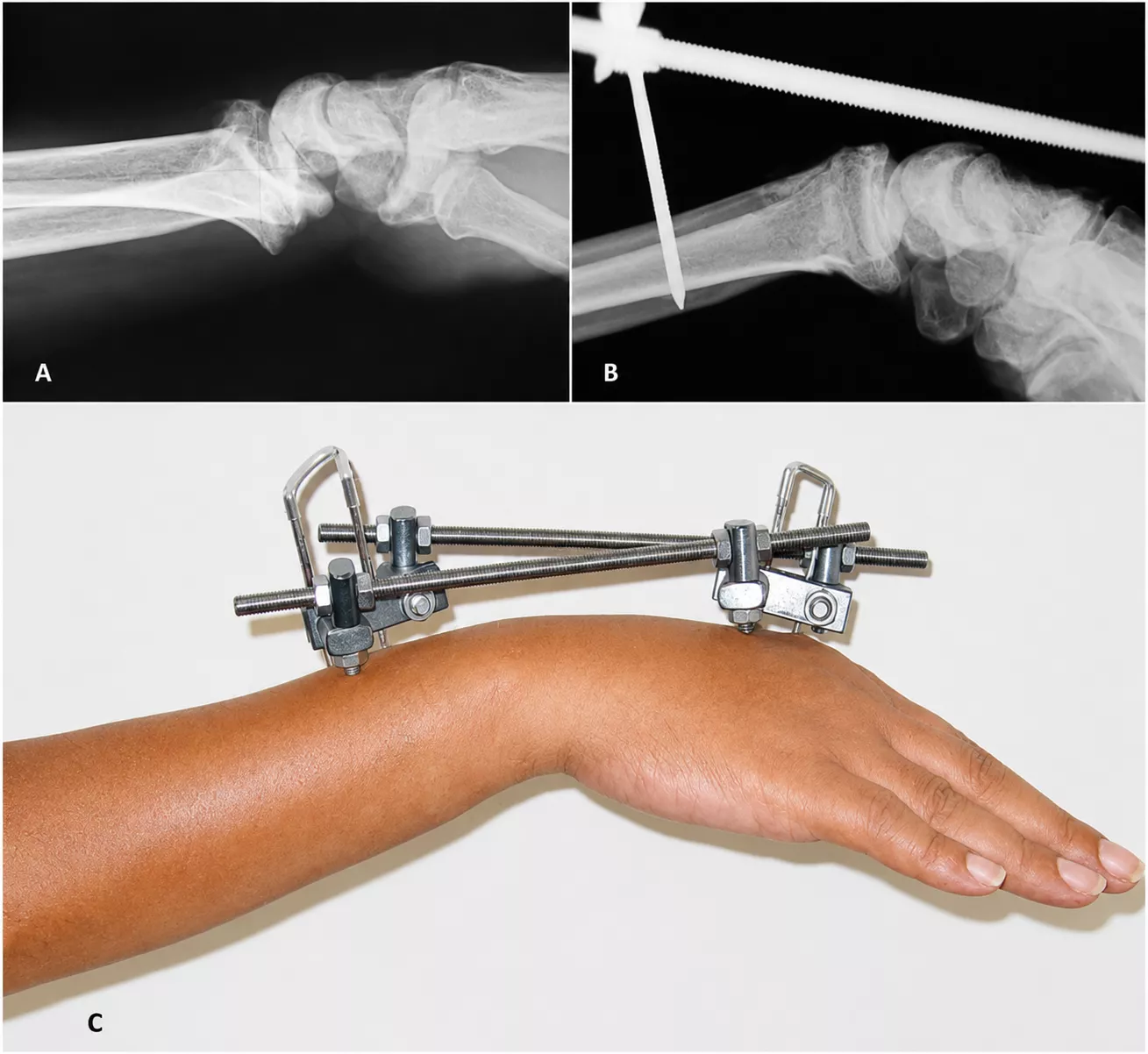
Dr. Zope's Orthopedic & Physiotherapy Center offers TPTS treatment as a structured non-operative pain-management option for selected musculoskeletal and soft-tissue pain conditions, with a focus on symptom relief, mobility, and recovery support.
Overview
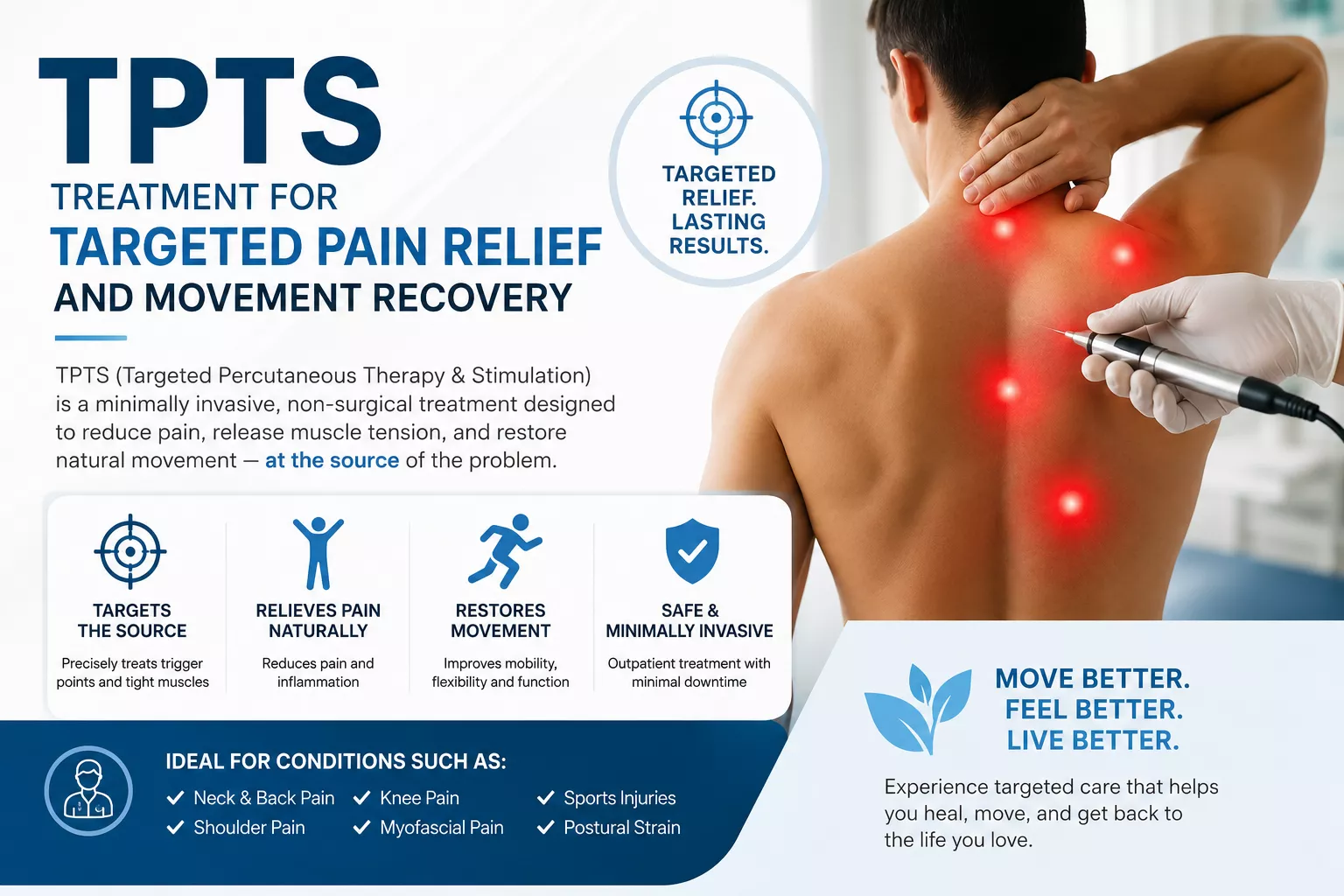
TPTS treatment is used in selected pain-management plans where focused non-surgical intervention is needed to reduce pain sensitivity, improve local tissue response, and support day-to-day movement.
At Dr. Zope's Orthopedic & Physiotherapy Center, the treatment is considered after assessment of pain pattern, tenderness, movement restriction, and functional complaints so the care plan can be matched to the patient's condition and recovery goals.
Benefits
Supports focused relief in painful areas where tissue sensitivity and movement discomfort are prominent.
Can help reduce stiffness and make daily activities, walking, bending, or joint movement more comfortable.
Offers a conservative treatment pathway for patients looking to manage pain without operative intervention.
May be used alongside rehabilitation planning to support function, endurance, and better tissue recovery.
The approach is selected according to the pain source, affected region, and expected response to treatment.
Reduced pain irritation can support better sleep, easier routine tasks, and greater confidence in movement.
Modes of Application
The TPTS system can be adapted to suit the specific needs of each patient, making it a versatile tool in orthopedic surgery. These modes include:
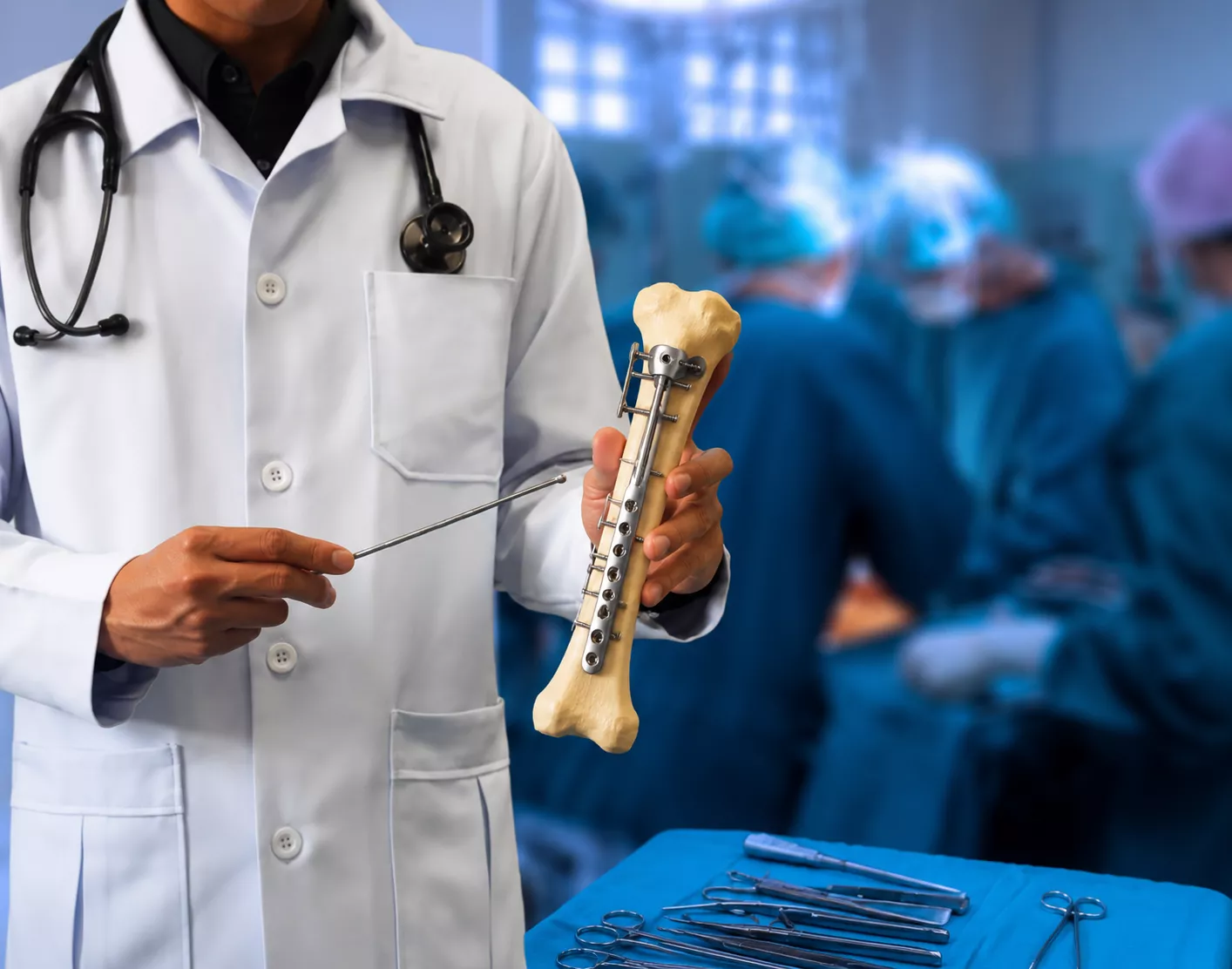
Stable internal fixation provides robust internal support for bone healing and is ideal for fractures needing dependable internal stabilization.
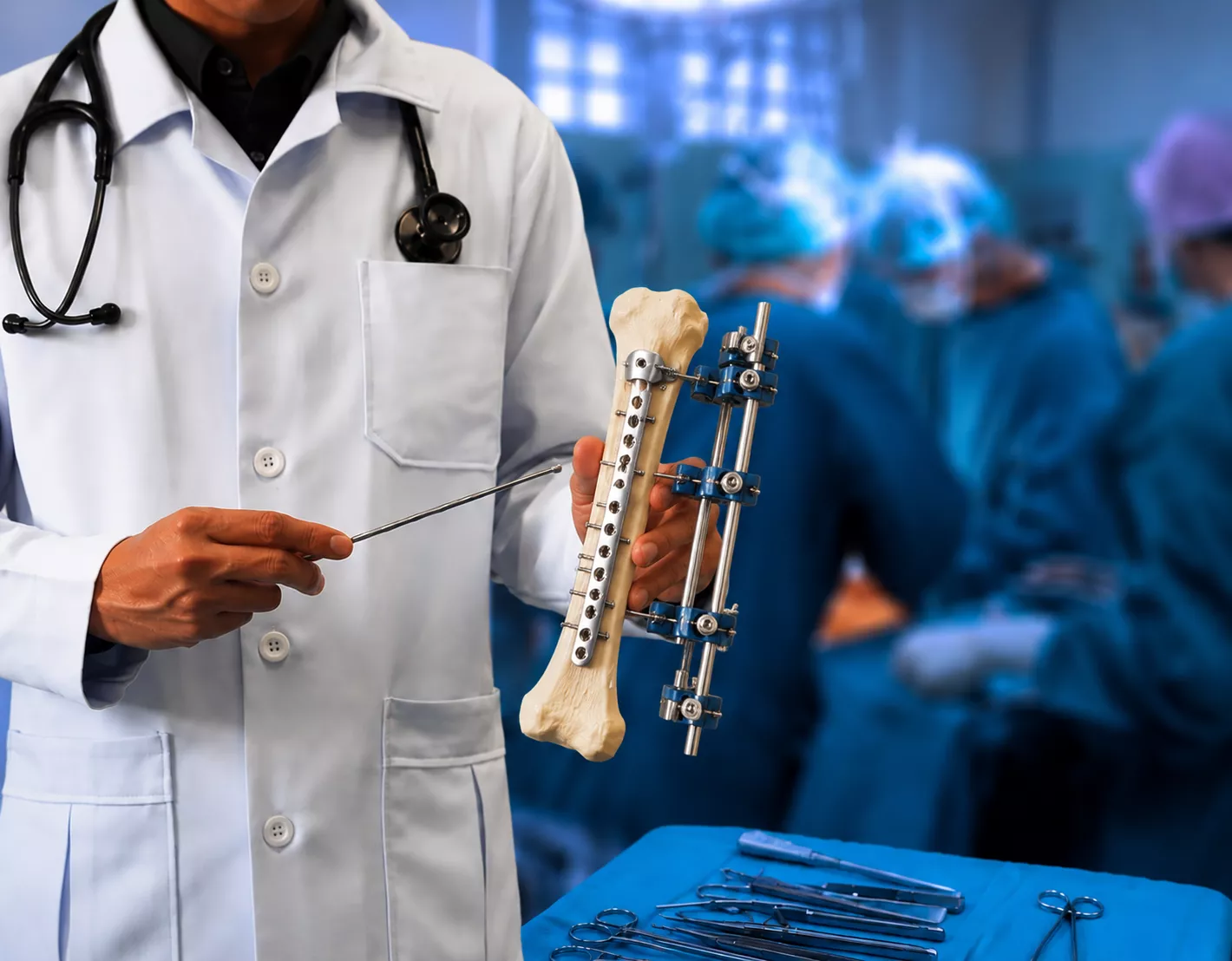
Combined stability merges internal and external methods to improve overall control, flexibility, and treatment confidence in intricate orthopedic cases.
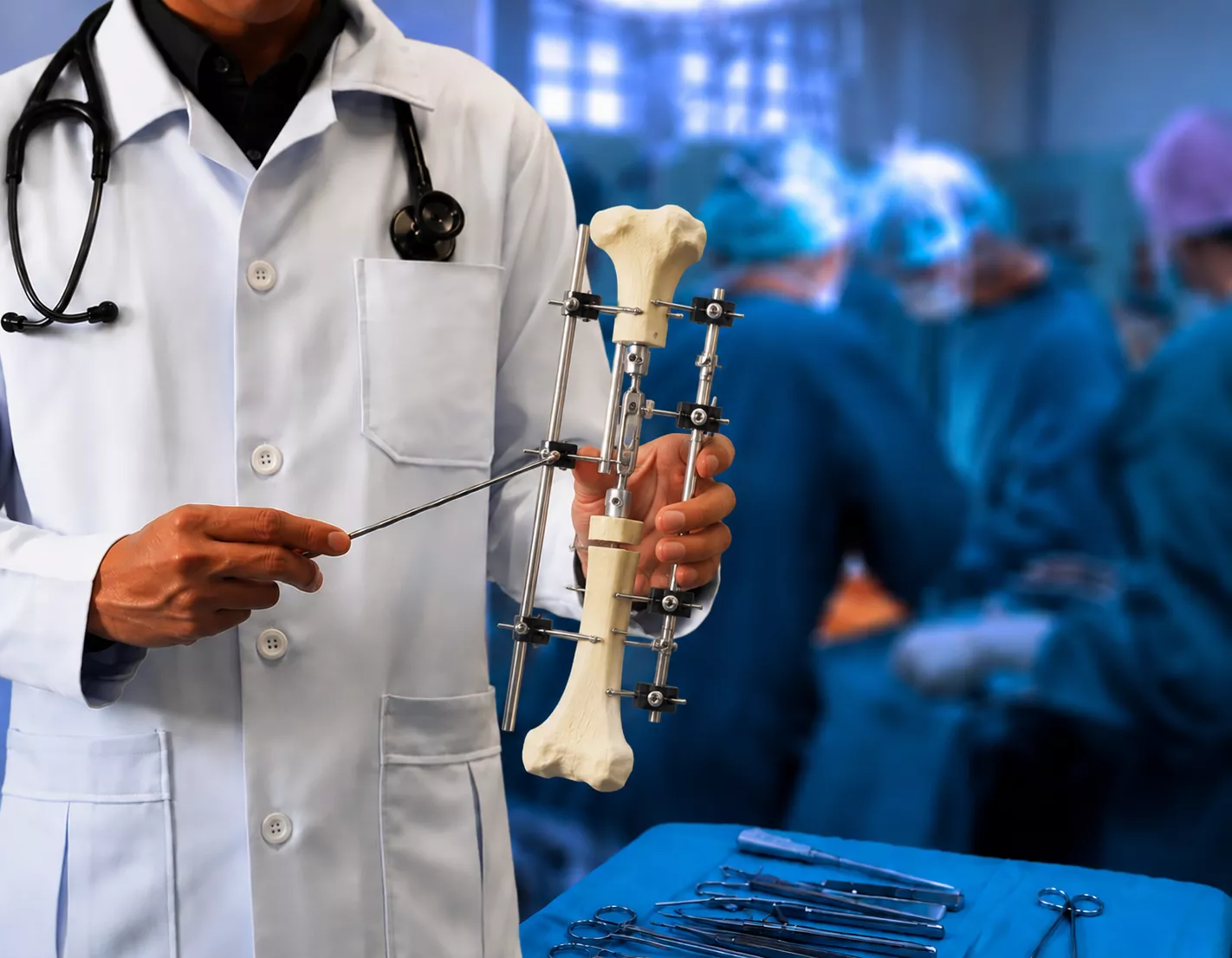
Advanced bone lengthening and alignment techniques are used for transport, correction, and management of severe orthopedic and reconstructive conditions.
Why Choose Our TPTS Solutions?
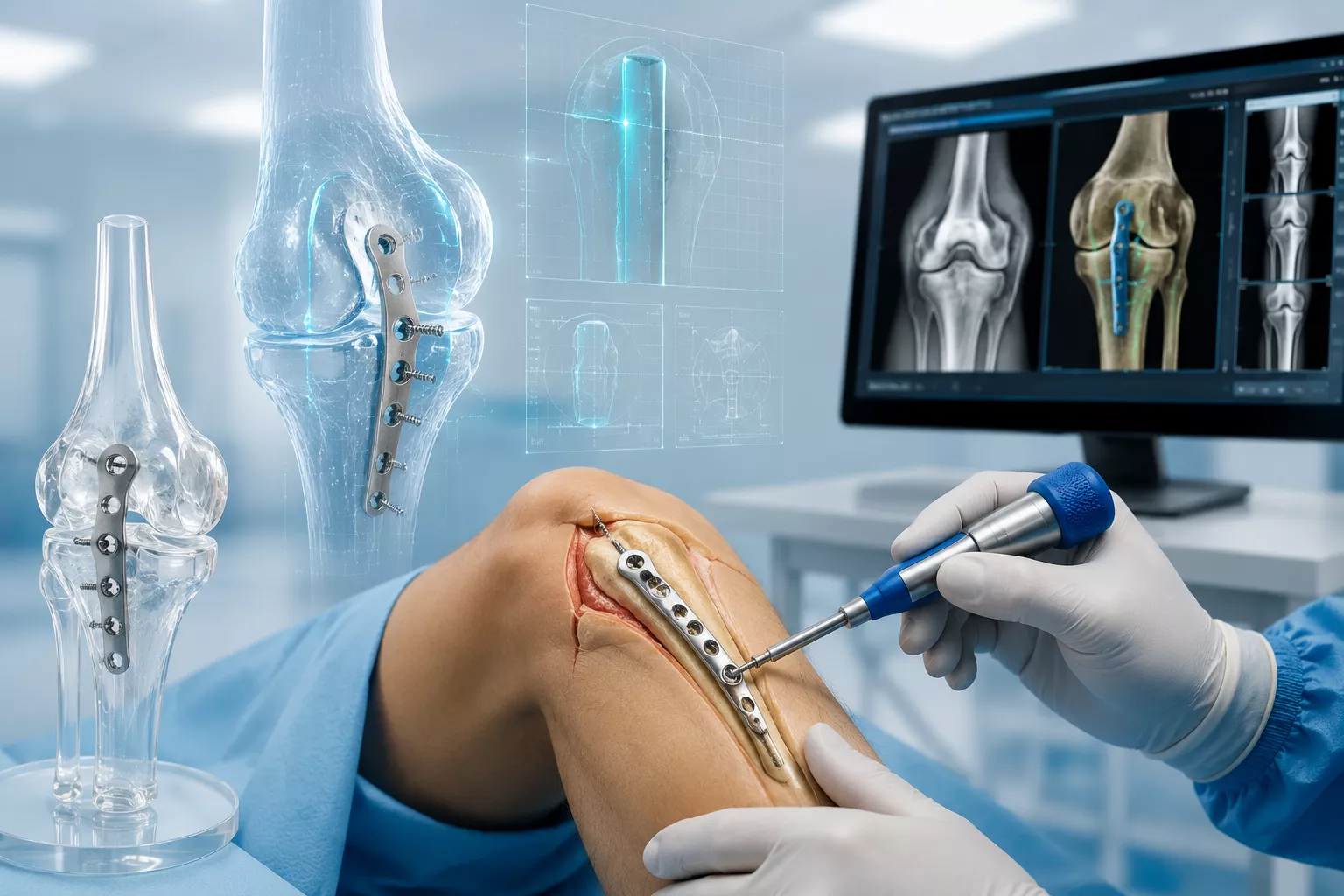
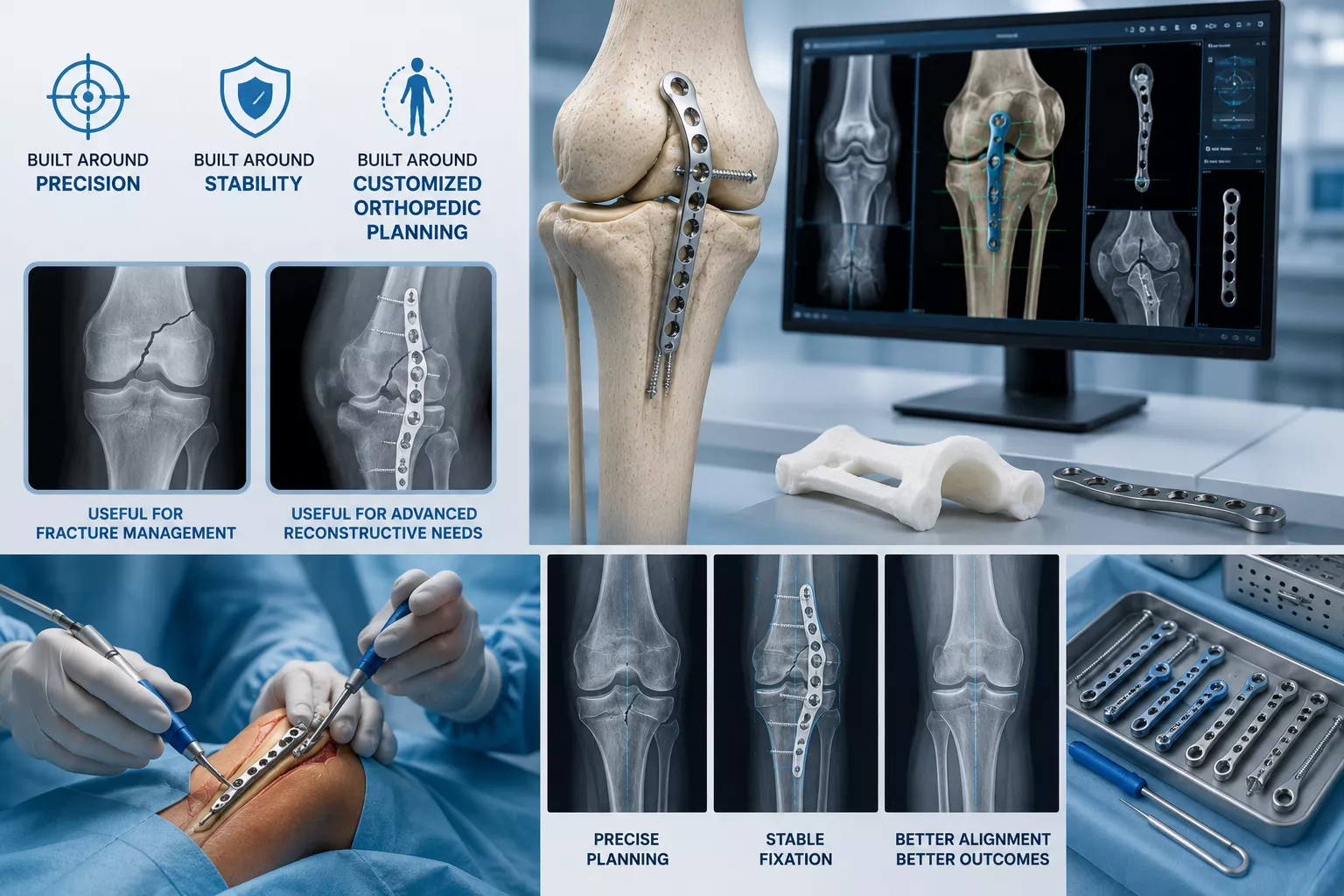
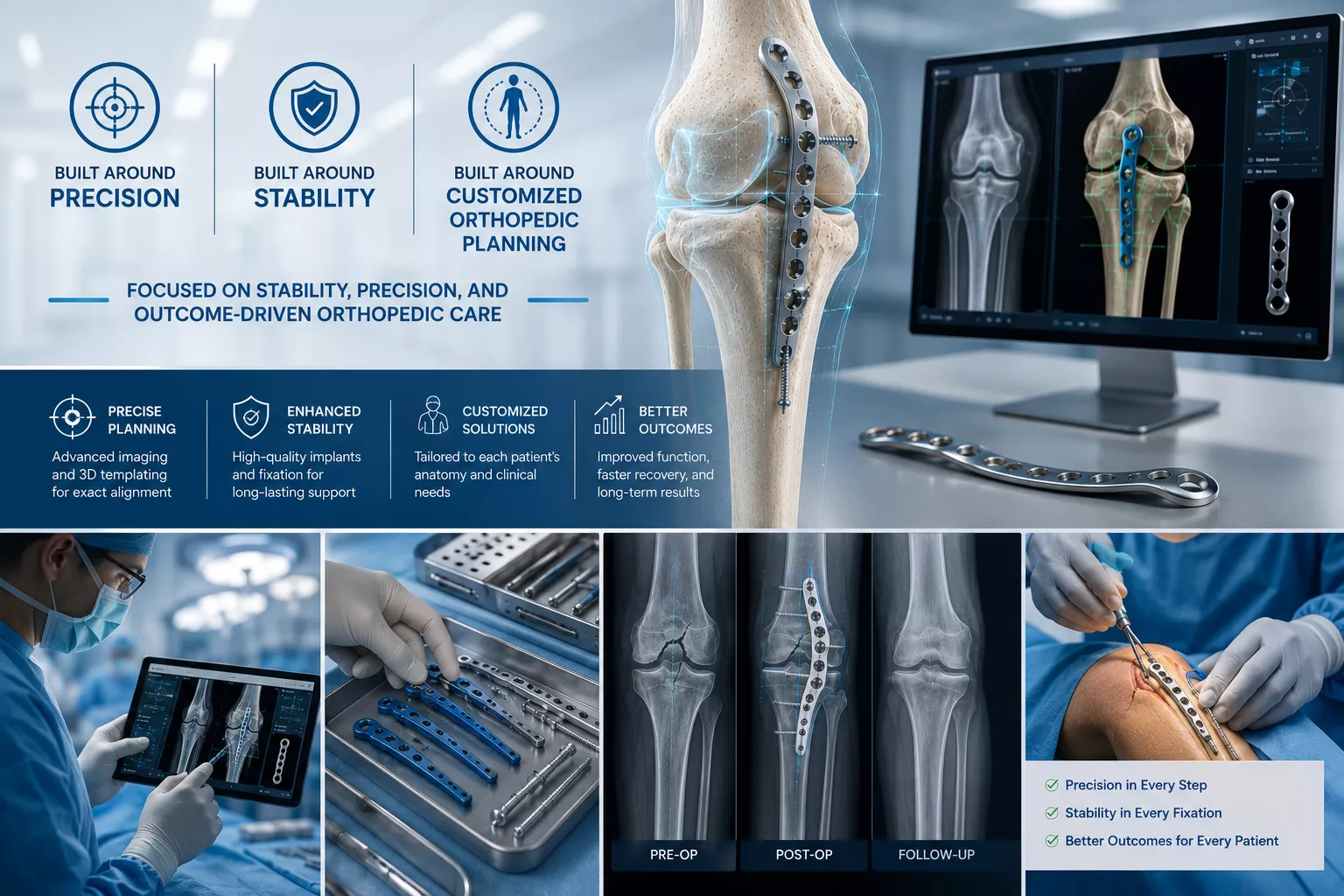
Our orthopedic practice is dedicated to adopting the latest trauma and orthopedic surgical principles to provide the highest standard of care. By integrating the TPTS system, we offer customized solutions tailored to the unique needs of each patient.
Whether it is for bone alignment, fracture management, or advanced reconstructive procedures, our TPTS solutions are designed to support safer planning, stronger fixation strategy, and better recovery outcomes.
Quick Support
Applications
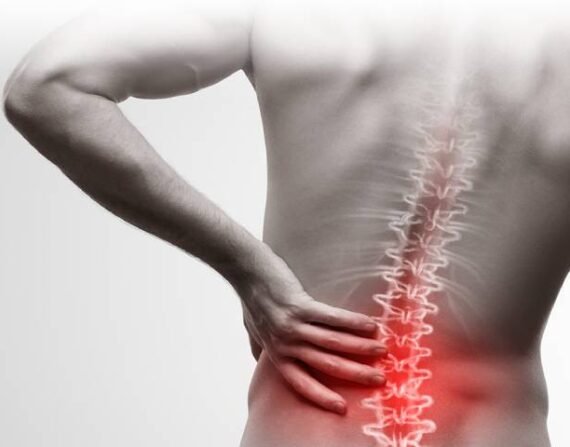
Indications
Procedure
The painful area, movement limitation, tenderness, and treatment history are assessed in detail.
The doctor identifies the most relevant pain-generating region and decides whether TPTS is appropriate.
The selected therapeutic approach is applied in a focused manner to support pain reduction and tissue response.
Patients are guided on activity modification, mobility work, and follow-up care for better recovery progression.
Related Care
Useful for patients who need focused pain relief before progressing to more active rehabilitation.
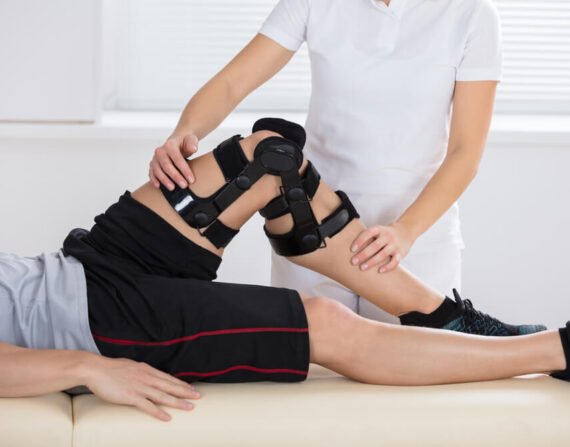
TPTS treatment can be supported with stretching, strengthening, and posture correction plans.
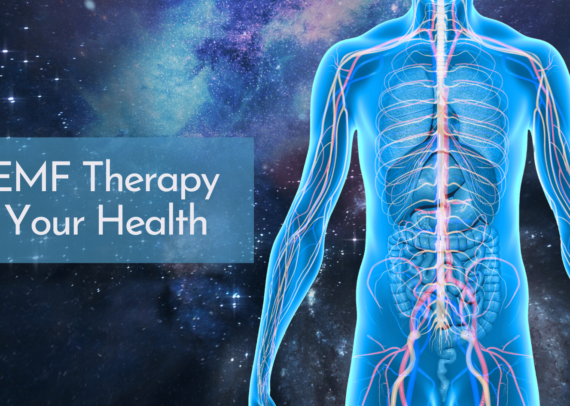
Selected therapy-based modalities may be used alongside treatment where added recovery support is needed.
Treatment Pathway
The clinic team can guide you on treatment suitability, application mode, and next-step evaluation.
Enquiry Form
Appointment Form